


 Gilze-Rijen Air Base
Molenheide Aerodrome
In 1910, the First Dutch Aviation Association from Breda chose Molenheide, between Gilze and Rijen, as its airfield. It became the first official aerodrome in the Netherlands. During the First World War, it served as an auxiliary military airfield.
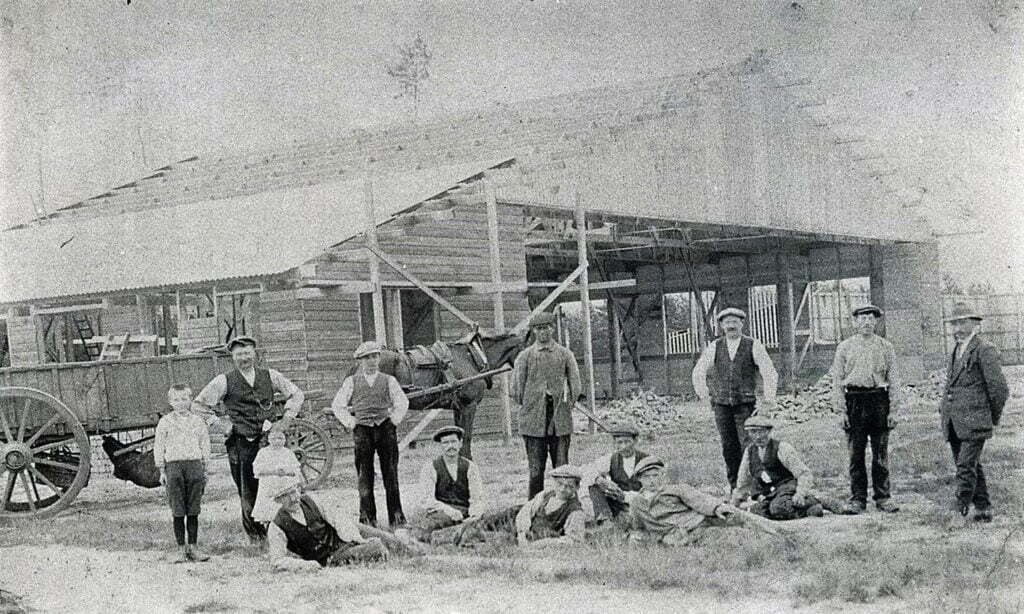
Construction of the hangar at Molenheide Airfield (photo: Heemkring Molenheide Archive)
After 1930, thousands of spectators from all over the country came to Molenheide every year to watch the aerobatic displays, stunt flying and pleasure flights during the air show.
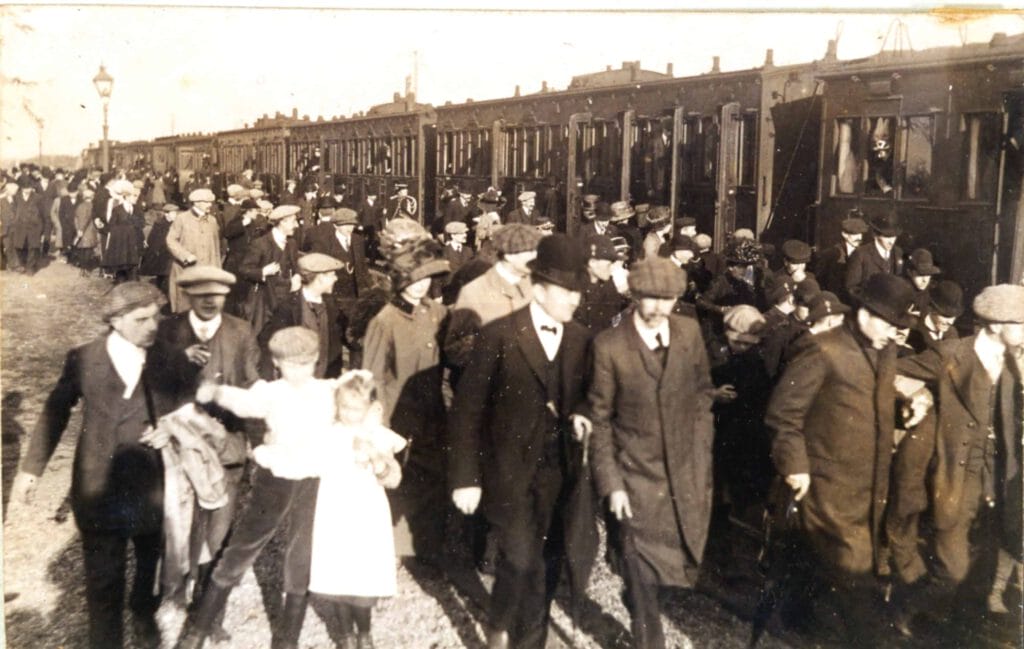
Spectators arriving via Gilze-Rijen station (photo: Heemkring Molenheide archive)
Nerhoven Airfield
In 1935, construction began on Nerhoven Airfield, next to Molenheide, intended for civil aviation. In 1939, it was requisitioned by the Ministry of War due to mobilisation.
Fliegerhorst Gilze Rijen
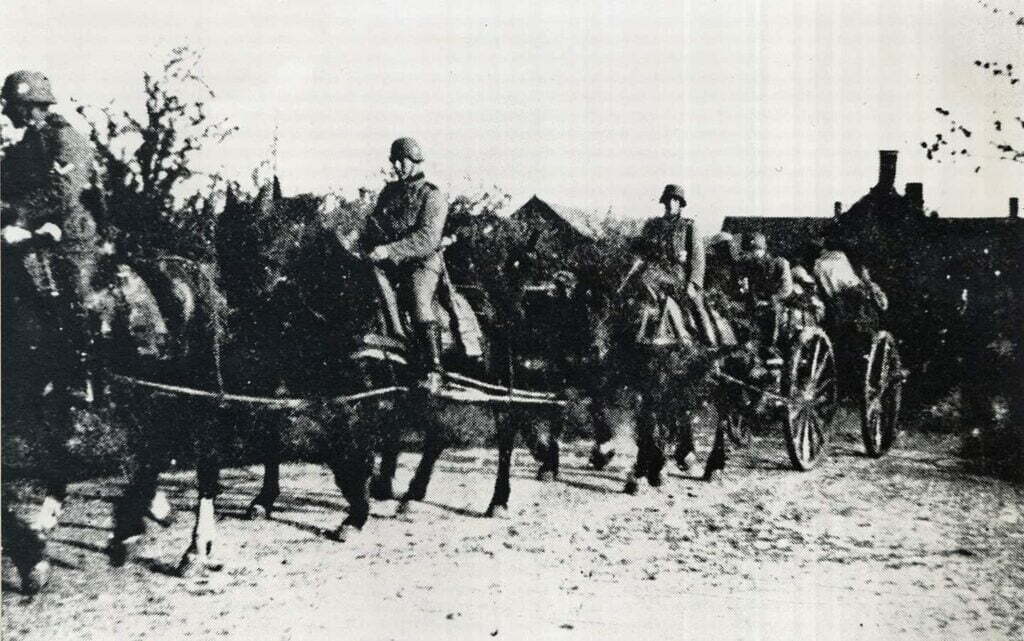
German troops take control of Nerhoven Airfield (photo: Heemkring Molenheide Archive)
In May 1940, the Germans seized both airfields with a view to merging them and expanding them into a single large German military airfield: Fliegerhorst Gilze Rijen. The Fliegerhorst and the surrounding area were subjected to heavy bombing during the war.
Gilze-Rijen Air Base
After the war, the Ministry of Defence took over Gilze-Rijen Airfield, and in 1946 it became a permanent military base for the Royal Netherlands Air Force. Since 2008, virtually all of the armed forces’ helicopters have been operating from Gilze-Rijen Air Base. For local residents, the arrival of the helicopters led to an increase in noise pollution.

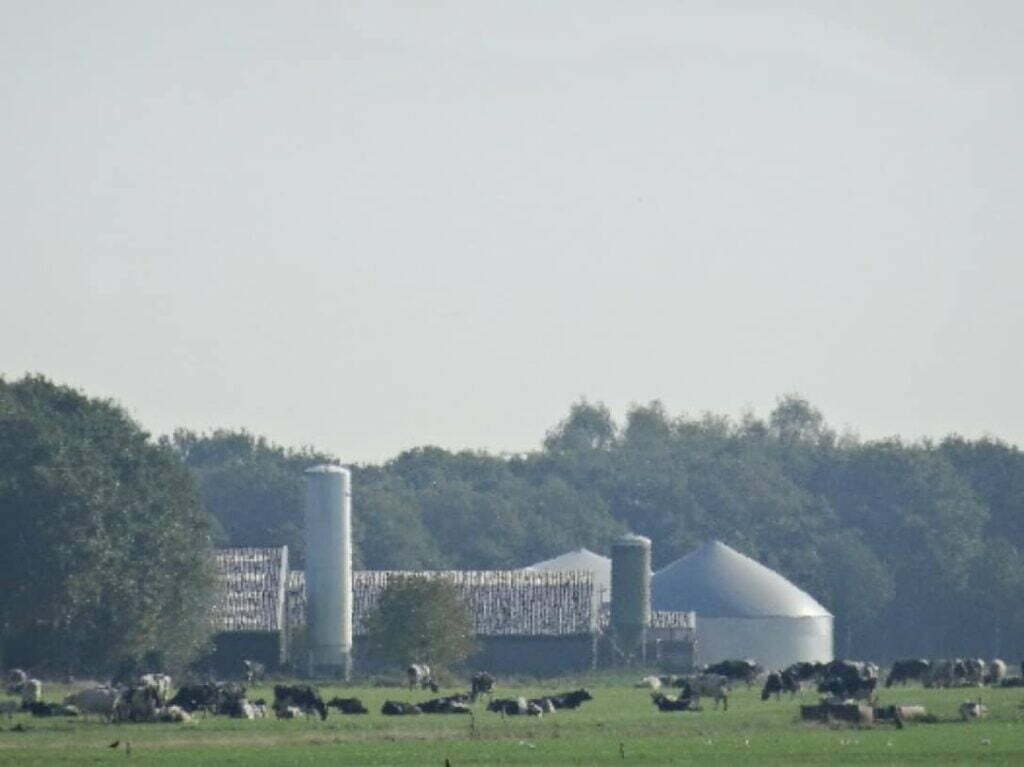
Look eastwards, towards the land of dairy farms. You’ll see a landscape of land consolidation: large plots, plenty of space. This was once wasteland. Farmers have, as it were, cleared this area by hand.
Then the need for food grew, and with it the demand for a more efficient use of farmland. Time for land consolidation. Small plots were swapped and merged. Many trees disappeared. Meadow birds such as the black-tailed godwit and the lapwing are quite happy with that. Birds of prey take shelter in trees, and a fox may be lurking amongst the bushes.
Once again, it is time to change course: cows indoors or outdoors, more herb-rich grassland, more insects, and hiding places for ground-nesting birds such as the black-tailed godwit and the lapwing.
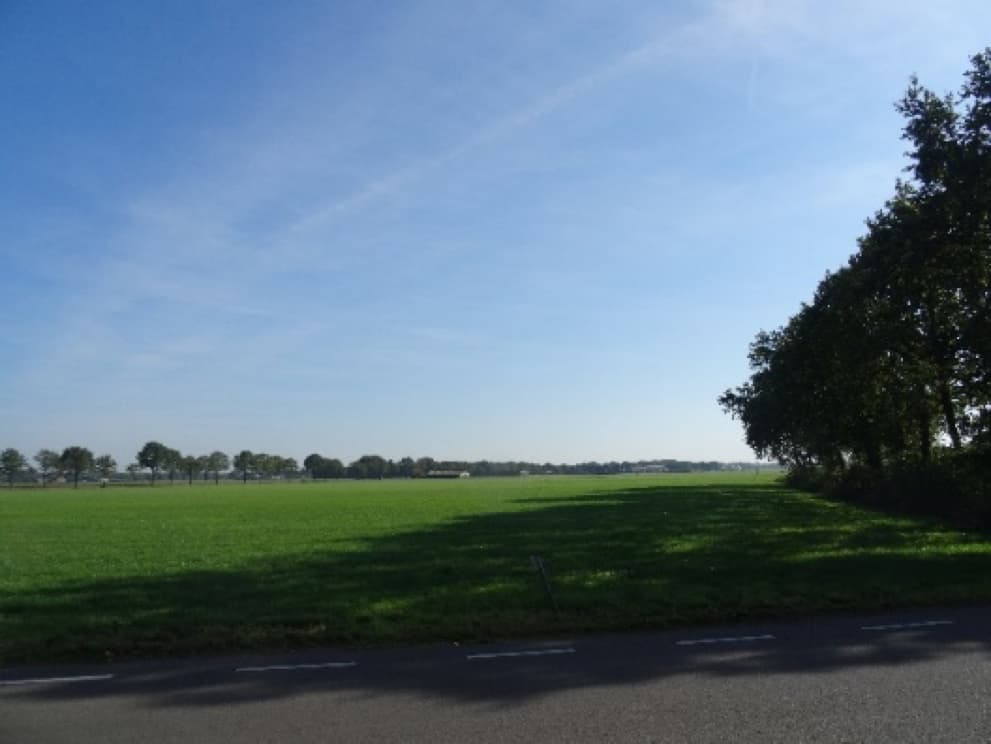
Do you have a pair of binoculars? If so, you’ll see a farm with a manure digester on the horizon. The farmer supplies milk and meat, digests the manure, reuses the heat, generates energy and uses the by-product to improve the soil.
Do take a moment to look westwards too. There you’ll see a different kind of agriculture: a therapeutic farm with a pick-your-own garden, a grower of traditional Dutch fruit trees, and a plot where, from 2019, oil-bearing crops will be grown – for walnut oil, for example! Complemented by grass, herb and flower borders; cereals and pulses such as lupins. Great for biodiversity!
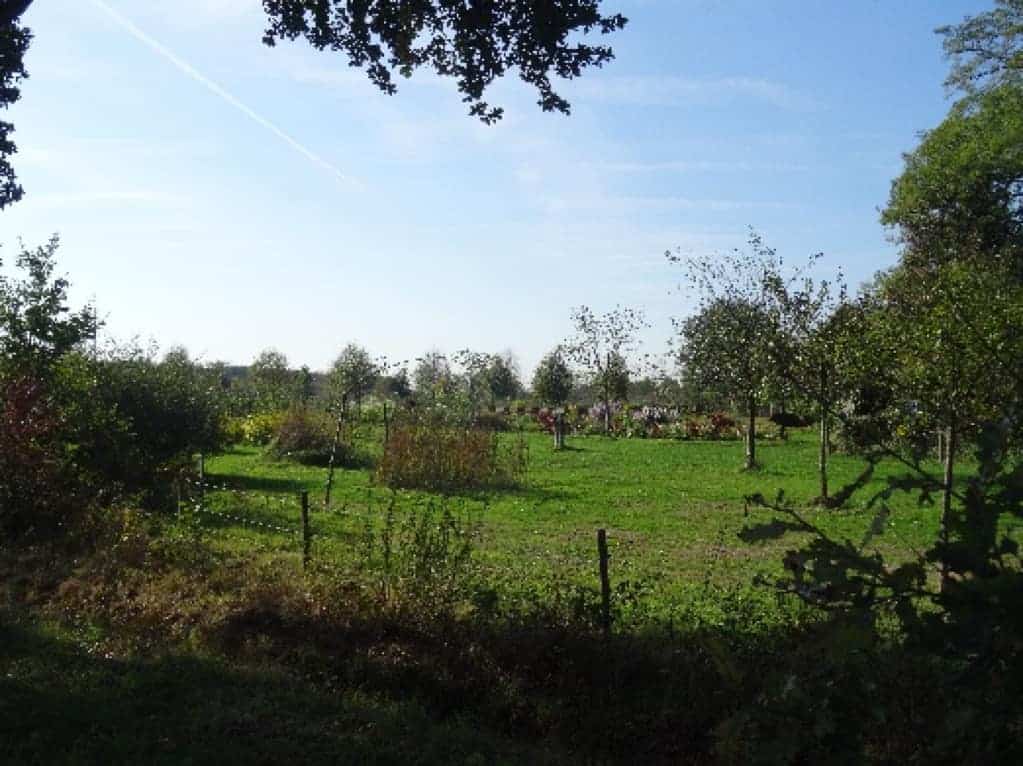
Photos: NLGR – Gilze en Rijen Nature and Landscape Association

The village of Molenschot has existed for a very long time. The triangular square at the heart of the village probably dates back to the Frankish period (early Middle Ages). In any case, Mueleschot – Molenscot is first mentioned in written records in 1299.
This small historic centre boasts no fewer than five listed monuments: St Anne’s Chapel, the Calvary Cross, the Statue of St Anne, St Anne’s Church and the Three Linden Trees.
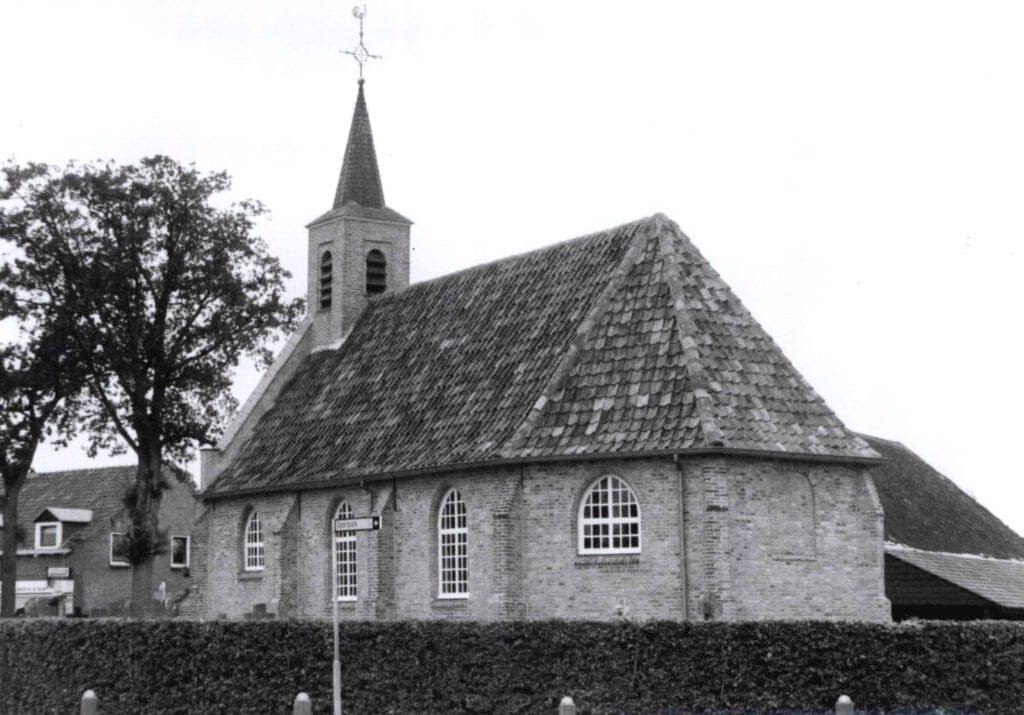
St Anna’s Chapel (photo 1975)
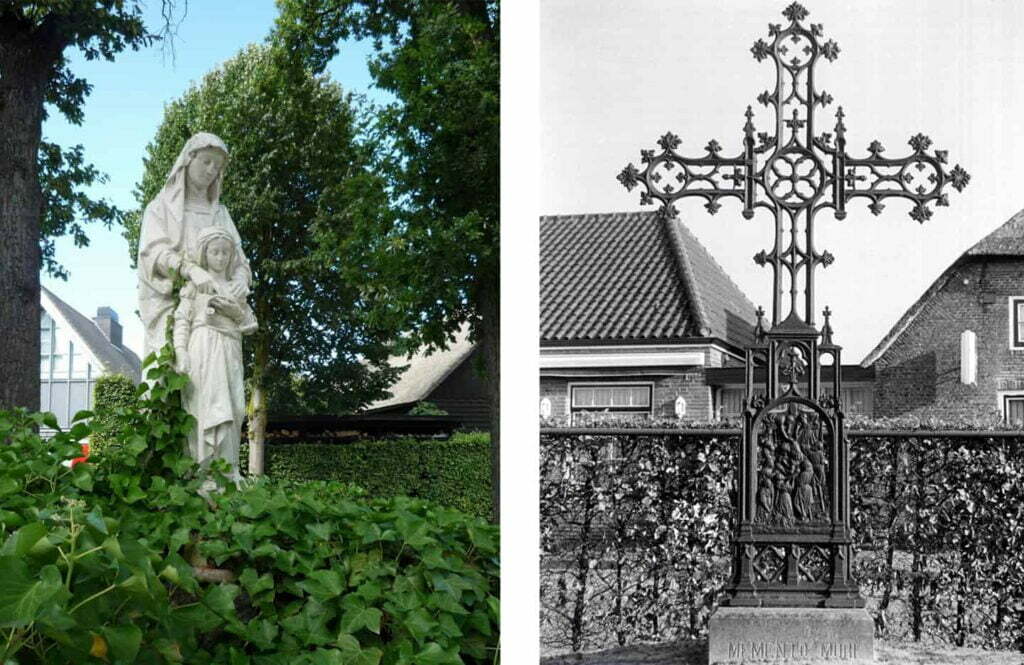 Anna statue (left) and Calvary cross (right)
Ever since the Brotherhood of Saint Anne was founded in 1879, pilgrimages have been made to the Chapel of Saint Anne every year on 26 July. She is regarded as the patron saint of women wishing to conceive. But people also go on the St Anne’s pilgrimage in the hope of finding a partner: ‘Every Anneke goes to Molenschot for a boyfriend, every boyfriend for an Anneke’.
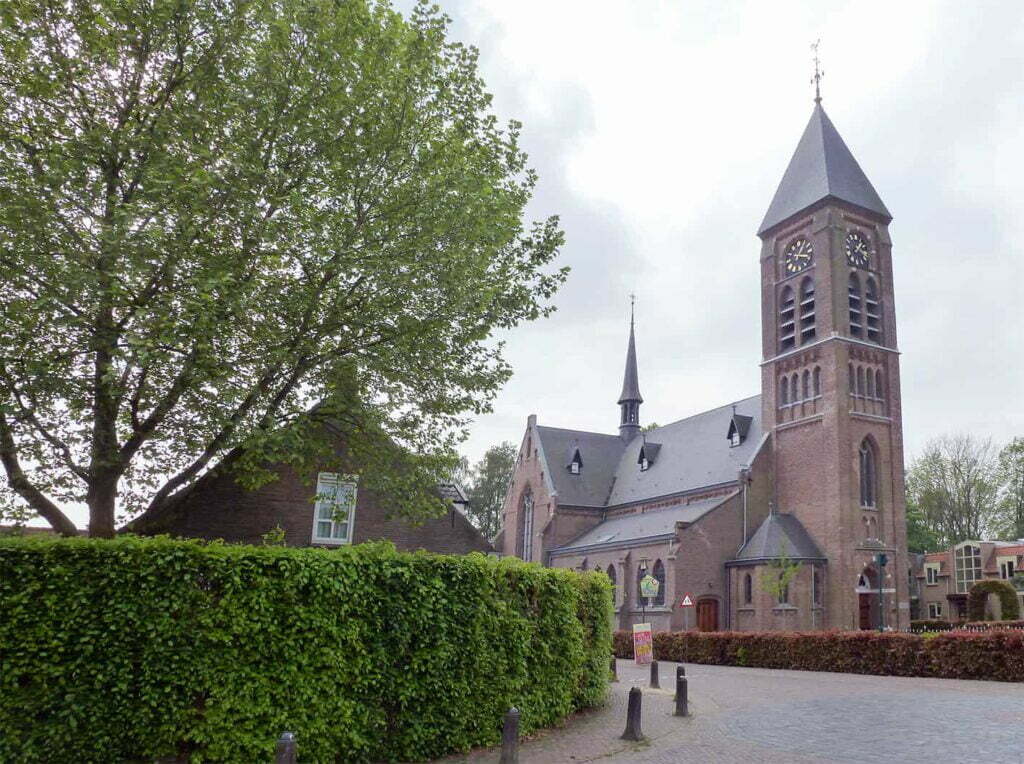
Annakerk
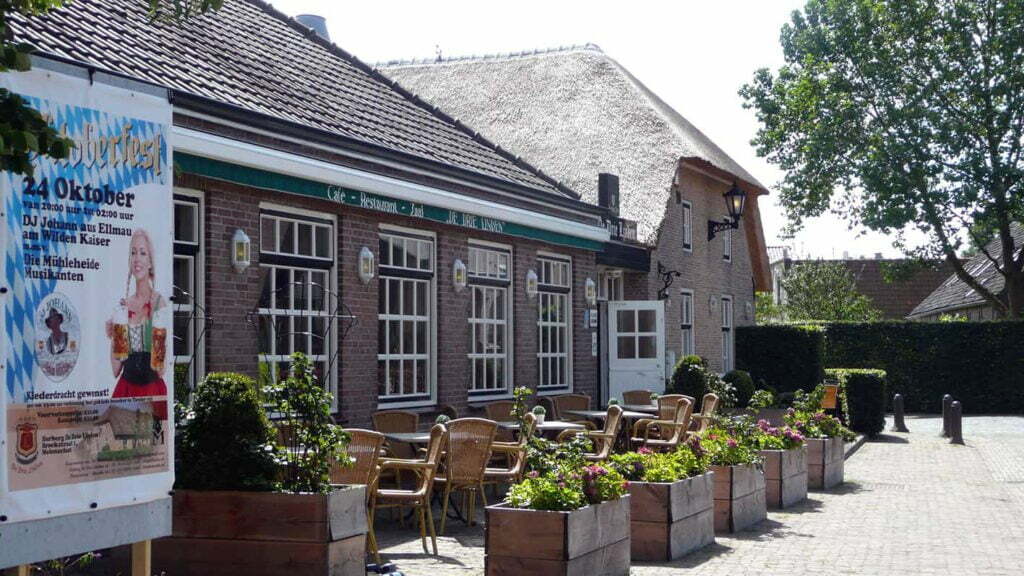
De Drie Linden Inn
Source: www.tijdmachinegilzerijen.nl of Heemkring Molenheide
 Eating and drinking in the neighbourhood
 Fun tips in the area
Information on this page was made possible by Heemkring Molenheide, Natuur- en Landschapsvereniging Gilze en Rijen (NLGR) and the municipality of Gilze en Rijen.
