
IVN Mark & Donge Nature walk: Markdal
Until 1968, the Mark was a strongly meandering stream. Then it was canalised, deepened and widened with the aim of draining more water faster and thus preventing flooding in the city. Between Breda and the Belgian border, some 20 meanders were cut off and excavated, with only a few remaining as a "dead arm".
However, the rapid drainage proved disastrous for the groundwater level and caused desiccation, which greatly affected the surrounding natural areas. The water present there was accelerated into the stream valley. Deep drainage to lower the groundwater level for agricultural purposes also caused severe desiccation. Moreover, periodic flooding in the city of Breda persisted.
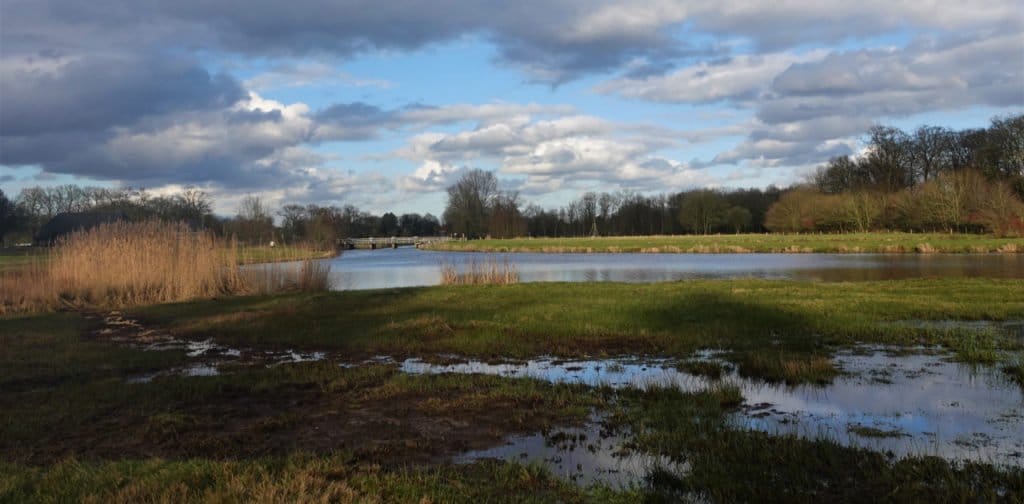
In 2003, the valley between the Reeptiend and Ginneken was resurfaced, with the aim of making the stream meander again, storing and retaining more water and thus also initiating nature restoration. The meadows have been converted into sparse grassland, with nutrient-poor soil and high groundwater levels.
This produces a splendour of flowering plants in spring and summer, such as true cuckoo flower, great rattle, marsh fritillary and true centaury. In the stream, you can see the fish jumping, but also live the freshwater mussel, bitterling and bullhead. In the steep banks, bank swallows nest and if you are lucky, you will see the blue flash of the kingfisher. Storks have been breeding on the roof of the Grote Hoeve of Bouvigne for years. Spoonbills have also discovered this area as a place to forage.
Registration for this walk is compulsory and can be done via the button below. Once you have registered, you will receive details of the meeting point.
If the maximum number of registrations has been reached, the link will no longer work and the registration form will no longer open.
IVN Mark & Donge
Rembrandtlaan 63, 4907 NM Oosterhout